
Spain Housing Market 2026: Property Prices Expected to Rise Between 6% and 9%
Buying Property in Spain in 2026: Demand and Limited Supply Push the Spanish Real Estate Market Up

The Spain real estate market continues to show strong momentum heading into 2026. Recent forecasts suggest that property prices in Spain could increase between 6% and 9% during the first half of 2026, reflecting persistent demand and limited housing supply across many regions.
For anyone considering buying property in Spain, these projections are important to understand. The Spanish property market is not experiencing a speculative boom. Instead, the expected increase in housing prices is largely driven by structural factors that have been shaping the Spain housing market for several years.
Demand remains strong from both domestic buyers and international purchasers, while the availability of housing continues to lag behind. This imbalance between supply and demand is one of the key reasons the Spain property market is expected to remain resilient.
For buyers and investors, the key takeaway is not necessarily trying to anticipate a market correction, but rather entering the Spanish real estate market well prepared, with clear criteria and a realistic understanding of current market conditions.
Why Housing Prices in Spain Are Expected to Increase in 2026
The projected increase in Spanish property prices reflects a combination of structural market dynamics.
One of the most important drivers is the persistent demand for housing in Spain. Over the past years, Spain has continued to attract buyers from across Europe and beyond. Lifestyle factors such as climate, quality of life, safety, and healthcare make Spain an attractive destination for both relocation and second-home ownership.
At the same time, the supply of available properties remains limited. New housing construction has not been able to keep up with growing demand in many cities. Planning regulations, limited building land, rising construction costs, and stricter sustainability requirements all slow down the delivery of new housing.
As a result, the Spanish housing market operates in an environment where demand consistently exceeds supply, naturally leading to upward pressure on prices.
A Market Driven by Structural Demand, Not Speculation
One of the most relevant aspects of the current Spain property market outlook is that price growth is not being driven by speculation.
Before the 2008 financial crisis, the Spanish housing market experienced a period of rapid growth fueled by easy credit and speculative development. Today’s real estate environment is very different.
Mortgage lending rules are stricter, banks apply more conservative financing criteria, and buyers typically enter the Spain real estate market with more stable financial situations. In addition, a large share of buyers today are long-term owners rather than short-term investors looking for quick profits.
This shift has created a more balanced and mature Spanish property market, where price increases are supported by real demand rather than speculative activity.
For buyers considering property investment in Spain, this distinction is important. A market driven by structural demand tends to produce more stable long-term price development.
International Buyers Continue to Support the Spain Real Estate Market
International buyers remain an important component of the Spain housing market.
Spain continues to rank among the most attractive countries in Europe for property purchases by foreign buyers. Lifestyle quality, strong infrastructure, a stable legal system, and relatively competitive real estate prices compared with other European capitals make Spain particularly appealing.
Cities such as Barcelona and Madrid, as well as Mediterranean coastal destinations, continue to attract international interest. For many buyers, purchasing property in Spain represents not only a lifestyle decision but also a long-term investment in a stable real estate market.
The Barcelona property market, in particular, remains a key destination for international buyers. The city combines a strong cultural identity, international connectivity, and a unique Mediterranean lifestyle that continues to attract professionals, entrepreneurs, and investors from around the world.
This sustained international demand contributes significantly to the resilience of the Spanish real estate market.
Limited Housing Supply Remains a Key Factor
While demand for property in Spain continues to grow, housing supply remains constrained.
Several structural factors contribute to the limited availability of housing in many Spanish cities. Urban planning procedures can be slow, and in many metropolitan areas there is limited land available for new residential development. At the same time, rising construction costs and stricter environmental standards increase the complexity of building new homes.
These constraints mean that the Spain property market cannot easily respond to rising demand with a rapid increase in new housing supply.
In high-demand urban markets such as Barcelona, this imbalance between supply and demand becomes particularly visible. The number of buyers searching for well-located properties often exceeds the number of homes entering the market.
For buyers looking to buy property in Barcelona or other prime Spanish cities, this often means that attractive properties move quickly once they are listed.
What This Means for Buyers Entering the Spanish Property Market
For buyers considering entering the Spain real estate market in 2026, the projected price increase highlights the importance of preparation.
Trying to perfectly time the market can be difficult. Instead, successful buyers tend to focus on clear search criteria, proper market understanding, and careful due diligence.
This includes understanding the local property market, evaluating the technical and legal condition of the property, and assessing the long-term value of the investment.
In competitive markets such as Barcelona, buyers who approach the process with clear criteria and professional support are often better positioned to identify the right opportunities and act confidently when they appear.
What This Means for International Buyers
For international buyers interested in buying property in Spain, the outlook for the Spanish housing market remains attractive.
Compared with other major European cities, property prices in Spain are still relatively competitive, especially considering the quality of life the country offers. Strong infrastructure, good healthcare, and a high standard of living continue to attract international residents.
However, navigating the Spain property market can involve legal, financial, and technical complexities. From understanding property taxes to reviewing legal documentation and negotiating purchase conditions, the process requires careful attention.
Working with experienced professionals who understand the Spanish real estate market can help buyers navigate these steps and make informed decisions.
In a market where prices are expected to continue rising moderately, entering the market well prepared and with realistic expectations is often more effective than waiting for uncertain market corrections.
Disclaimer: The information provided in this article is for general guidance and orientational purposes only. We cannot guarantee that all details remain fully accurate or up-to-date, as local regulations and market conditions are subject to constant change. This content does not constitute formal legal, financial, or tax advice. For current and specific information, we recommend consulting a professional advisor. We are happy to put you in touch with a trusted local expert in Spain.
Articles

Why Some Barcelona Homes Don’t Sell, Even in a Strong Market
Why do some Barcelona homes fail to sell even in a strong market? We explain the most common reasons, from pricing and presentation to access and seller readiness.
The Renovation Premium in Barcelona: What Adds Real Value?
Is a renovated apartment in Barcelona worth paying more for? Learn what genuinely adds property value, what buyers should check and when renovating before selling makes sense.
Fotocasa Reports Barcelona Rents Down 22.3%: But Is Renting Really Getting Cheaper?
Barcelona rent prices fell 22.3% year-on-year in Fotocasa’s July 2026 index, but Idealista shows a different picture. We explain what is really happening in the Barcelona rental market.

Inside FIABCI: How Global Real Estate Connections Benefit Local Clients
What does FIABCI membership actually mean for property clients? We look at how international real estate connections, referrals and market exchange can benefit buyers and sellers in Barcelona.

Beyond the Floor Number: A Barcelona Property Guide
Buying an apartment in Barcelona? Discover what bajo, entresuelo, principal and ático mean, and how floor level affects light, noise, accessibility and property value.

Buying Property in Catalonia? Why the New Rent-Control Map Matters
Catalonia is proposing changes to its rent-control map, with 53 municipalities potentially entering and 22 leaving the system. We explain what this could mean for property buyers and investors.

How Fast Do Homes Sell in Barcelona? 29% Sell Within the First Month
29% of homes sold through Idealista in Barcelona in Q2 2026 found a buyer within one month. We explain what this means for buyers and how to move quickly without skipping due diligence.
Foreign Buyer Mortgages Rise 24.2% in Catalonia
Foreign buyer mortgages in Catalonia rose 24.2% in 2025. Find out what international property buyers should know before financing a purchase.

Why International Buyers in Spain Are Choosing Larger Resale Homes
Almost 36% of foreign buyers in Spain purchased homes over 100 m² in 2025, while 78.5% chose resale properties. Discover what buyers should check before purchasing.

Fewer Sales, Higher Prices: What Is Happening to Spain’s Property Market in 2026?
Spain’s property market is expected to see 7.3% fewer sales in 2026 while prices rise 12%. We explain why and what it means for buyers in Barcelona and Catalonia.

What Happens If Your Arras Contract Expires Before You Buy?
What happens if your arras contract expires before completion in Spain? Learn about extensions, penalties, mortgage delays and what buyers should check before signing.

Is 2026 a Good Time to Buy Property in Spain?
Is 2026 a good time to buy property in Spain or should you wait? We examine prices, mortgage rates, limited supply and what this means for buyers in Barcelona and Catalonia.

Barcelona, Girona or Tarragona? Where Foreign Buyers Are Choosing to Buy in Catalonia
Foreign buyers completed more than 17,000 property purchases in Catalonia in 2025, but demand varies significantly between Barcelona, Girona and Tarragona. This guide compares the three markets, looking at buyer profiles, lifestyle, value, connectivity and the types of properties international buyers are choosing.

Understanding the Data: Spain's Mortgage Market Reaches Historical March Peak
A factual breakdown of the latest official mortgage data from the INE. Explore the metrics regarding transaction volumes, interest rates, loan types, and regional growth.

The Road to 2028: Inside Barcelona's Plan to Phase Out 10,000 Tourist Apartments
Trace the regulatory evolution of Barcelona's tourist flat (HUT) sector from the 2014 freeze to the proposed 2028 total phase-out, alongside the real estate impact and sector pushback.

Neighbourhood Guide 2026: Fort Pienc
Discover Fort Pienc, one of Eixample’s most practical and well-connected neighbourhoods. With its mix of traditional architecture, local shops, cultural venues, green spaces and excellent transport links, it offers a residential lifestyle close to the centre while remaining less touristy than many other central areas of Barcelona.

Neighbourhood Guide 2026: El Gótico
Where Barcelona’s Historic Soul Meets Contemporary City Life

What €500,000 Buys You in Barcelona Compared to London, New York and Hong Kong
Discover what €500,000 can buy in Barcelona compared to London, New York, Hong Kong and other global property markets, and what this means for buyers in 2026.

Neighbourhood Guide 2026: El Coll
Where Hillside Nature Meets Urban Ease
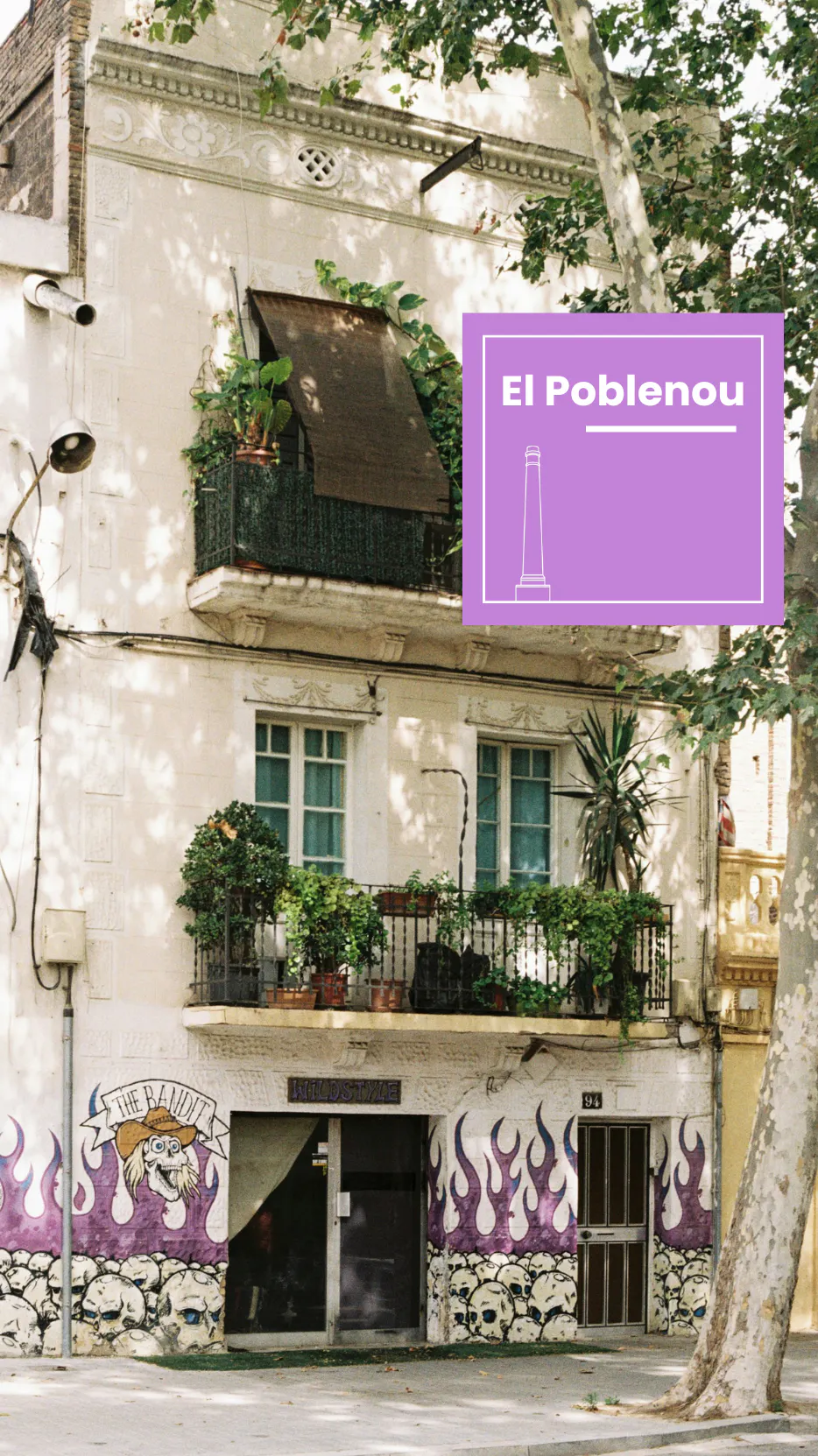
Neighbourhood guide 2026: Poblenou
A neighbourhood characterised by technological innovation and a Mediterranean lifestyle, just steps from the sea.

Mapping Barcelona’s €3,850 Price Spread: Local Value Pockets in a Record Market
With Barcelona's city average hitting an all-time high of €5,243/m², navigating the property market requires hyper-local tracking. See how all ten districts break down right now.

Barcelona Rental Updates 2026: Mastering the IRAV Index
Navigating the established legal reality of the IRAV index. Learn how this housing-specific standard replaces the IPC and how to protect property yield legally.

Buying Property in Spain as a Non-Resident | 2026 Guide
Expert guide to buying a home in Spain in 2026. Learn about NIE, 12% taxes, non-resident mortgages, and legal steps with MySpot Barcelona.

Barcelona Sales Stock 2026: Why Supply is Rising in a "Tensioned" Market
While Spain's national housing supply drops 10%, Barcelona sees a 6% increase in stock. We analyze why "price exhaustion" is creating a new strategic window for buyers and investors in 2026.

The Psychology of the First 90 Seconds: How to Prep Your Barcelona Home for Buyers
First impressions are everything. Discover the staging techniques and presentation shifts we use to captivate buyers within the first moments of a viewing.
The 2026 Guide to Rental Contracts in Catalonia: 11 Essential Clauses for Owners and Tenants
Navigating the 2026 rental market in Barcelona requires technical precision. Learn the 11 essential clauses every landlord and tenant needs for a secure agreement.

Barcelona Real Estate 2026: How 203 International Tech Hubs are Redefining Property Investment
Catalonia now hosts 203 international tech hubs driving €4.1B in impact. Discover why Barcelona real estate is the top choice for investors and tech expats in 2026.

Spain’s Youth Rental Bonus Reaches Less Than 1% of Young Renters
Why does the 2026 Youth Rental Bonus reach less than 1% of young renters in Spain? We analyze the structural failures and the real impact on the housing market.

Good reasons for buying property in Catalonia and Barcelona
People have many reasons to stay in Barcelona and Catalonia. Here are some of them.

The importance of an exclusive contract
Why is a sole representation contract important, for the agency and for the owner? A sole representation (exclusive) sales contract is highly requested by agencies, but often rejected and misunderstood by owners. We explain why this approach is crucial for a successful sales process and what benefits it holds for the owners.

What is the "Golden Visa" and how is it obtained?
With the “Golden Visa” you can obtain Spanish residency by purchasing a property. We guide you through the process step by step.

Neighbourhood Guide: Eixample Dreta
Where Modern Elegance Meets History

What does a Real Estate Personal Shopper do?
When buying real estate the only one you can trust is your gut. Or is there someone else?

New Housing Purchase Limits in Catalonia: A 2026 Guide for Buyers
Explore the 2026 Catalan housing law changes. Learn about purchase limits in 271 stressed zones, the "Large Holder" veto, and exemptions for private buyers in Barcelona.

MySpot Barcelona Joins Locallista: Strengthening Our Community Ties
MySpot Barcelona is proud to announce our official partnership with Locallista, the premier vetted directory for international residents in Barcelona. We’re joining a community of trusted professionals to provide more transparency and support for expats navigating the Barcelona property market.

Neighbourhood Guide: Gràcia
Where a Bohemian Village Spirit Meets Urban Life

Neighborhood Guide: Sant Antoni
Where Historic Charm Meets Modern Flair

Neighbourhood Guide: Barceloneta
Where a Vibrant Tide Meets Tradition

What Is the Beckham Law in Spain and How It Affects Buying Property in Barcelona
Barcelona attracts international professionals for its lifestyle and business opportunities. The Beckham Law is a key factor, influencing not only taxes but also housing and property decisions when relocating to Spain.

Barcelona Rental Market 2026: Why Prices Fell 3.7% While Spain Hit Historic Highs
Rental prices in Spain hit a record €15/m2 in Q1 2026, but Barcelona saw a 3.7% decrease. Discover what this means for landlords, tenants, and investors in Catalonia.
Spain Housing Market 2026: Property Prices Expected to Rise Between 6% and 9%
Buying Property in Spain in 2026: Demand and Limited Supply Push the Spanish Real Estate Market Up

5 Reasons to Trust a Real Estate MLS in Your Next Transaction
Searching for or selling a property can be a challenging process full of uncertainty. However, one key tool is transforming the real estate market in Spain: the MLS (Multiple Listing Service). In this article, we will explore the 5 reasons to trust a real estate MLS in your next transaction and how this network can make a difference.

A Guide to Fees and Taxes for House Buyers in Catalonia
Aspiring house buyers in Catalonia should be well-informed about the fees and taxes involved in the property purchase process. The Property Transfer Tax (ITP) applies to second-hand properties, while the Value Added Tax (IVA) is applicable to newly constructed or extensively renovated properties. Notary and registry fees, along with legal and administrative expenses, are crucial components of the overall cost. Additionally, buyers should be aware of the potential Stamp Duty for mortgage-related documents.

Step by step process of buying property in Spain
Buying a property in Spain can be a straightforward process if you follow the necessary steps.

Guide to Fees and Taxes for House Sellers in Catalonia
Let's explore the key charges that house sellers should consider when selling a property in Barcelona or Catalonia

Our Valuation Methodology: Expert valoration for informed decisions.
Understanding the real market value of your property. To know the real market value of a home, it is essential to know how to calculate that figure before putting it up for sale. This implies having a detailed study of the market to make the correct decisions and achieve the objectives sought by the seller.

To new beginnings
Here we are. Here we start.

The rental price index in Catalonia 2024
The rental price index came into force in Catalonia on March 13, 2024. What does this mean for tenants and landlords? We explain the regulations and effects of the rent index on tenants and landlords.